 Marc Feng · ·
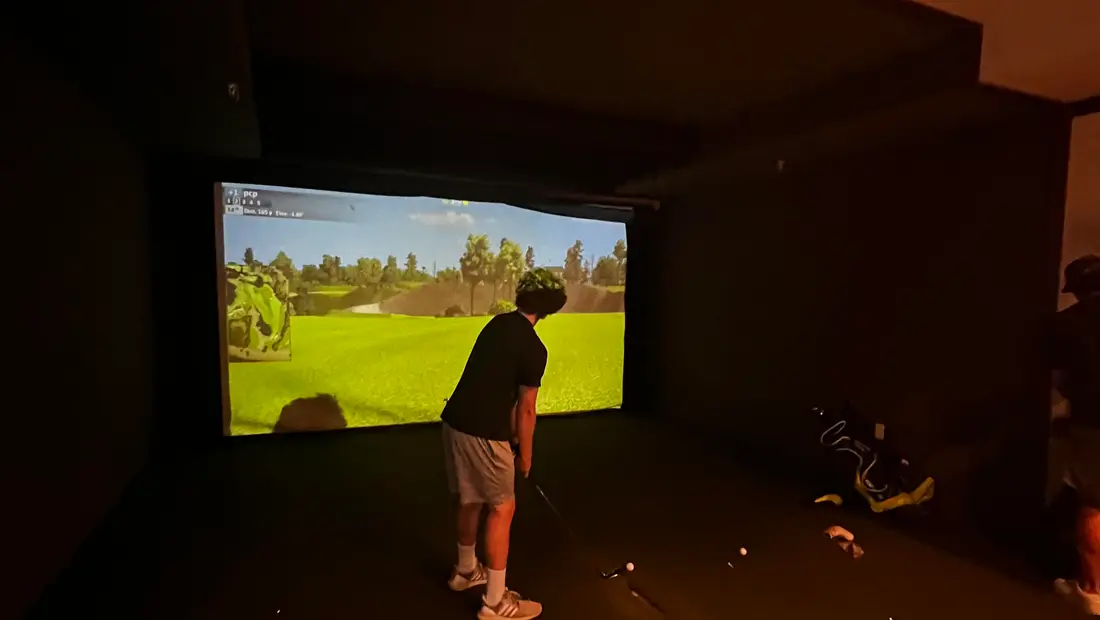
The short answer: a golf simulator venue sells time in a bay. Run it well by pricing each bay by the hour and by demand, letting people book and pay online so the bay is paid for before anyone arrives, opening the door by code when you have no staff on site, and selling packs, lessons and leagues so first-timers come back. Food, drink and equipment at the desk carry the margin the bays cannot.
Know what you sell
Your stock is bay hours. An empty bay at 21:00 on a Tuesday is revenue you will never get back, so everything else follows from filling hours:
- A bay is a space with its own opening hours. A bay closed for a sensor repair should disappear from booking, not lead to a refund at the door.
- Sessions have a fixed length. One hour suits a round of nine holes for two or three players; longer slots suit groups and full rounds. Offer the lengths people actually ask for, not every possible one.
- Group size changes the price per head, not the bay's value. Price the bay, then let the group split the bill.
Price by demand
Evenings and weekends sell themselves; weekday mornings and early afternoons do not. Use the hours you cannot fill:
- Peak and off-peak prices per bay and per time of day.
- Member prices for regulars who commit.
- Off-peak packs of sessions that can only be used at quiet hours.
- Lessons and practice sessions in the daytime, when coaches are free and bays are empty.
Our article on off-peak hours is written for padel, but the ideas carry over to bays.
Take payment at booking
When the bay is paid before the session, no-shows cost the player or member, not you. Set a clear cancellation policy (how late someone can cancel and what they get back) and show it before they pay. If groups book, let each person pay their own share: the organiser no longer chases friends, and you no longer hold an unpaid bay. More in Implementing online payments in my sports club.
Open without staff
Many simulator venues run late and early with nobody at the desk. That only works if the door, the booking and the payment agree:
- A door code per session, sent before the start and valid for that session only.
- Lights and the simulator on a schedule, or switched by whoever is on call.
- A clear house guide in the bay: how to start a round, who to call, what to do with a broken club.
- A camera at the entrance and a log of who booked each slot.
Bring them back
A first visit is often a gift, a birthday or a team night. Turn it into a habit:
- Packs of sessions at a better price per hour.
- Memberships billed monthly with member prices on bays and lessons.
- Leagues and tournaments on the simulator, run over several weeks with scores everyone can follow.
- Coaching, with a coach on the lesson and the bay booked with it.
- Messages to past customers when you have quiet hours to fill, and posts about leagues and results.
Sell around the bay
Drinks, food, gloves and balls sold at the desk add to every session. Ring them up on the same system as the bay, so you see the full spend of each customer.
How PLAI fits a simulator venue
Golf opens on PLAI with a first group of founding venues, and a simulator venue runs on the same tools as every PLAI venue: each bay is a space with its own hours and prices; players and members book and pay online in the PLAI app and on your page on plai.live, and can split the bill. Packs cover memberships, sessions and credit; privileges set member and off-peak prices; tournaments run with draws and live scores; coaches can be put on lessons; and the till handles drinks and equipment, in cash or by card reader. If your door uses MGP Matic, each paid session gets its own code, emailed to the players and members 30 minutes before the start.
There is no subscription, setup fee or contract, and card fees on online payments are about three times lower than Stripe's standard rate in France of 1.5% + €0.25 per standard European card (source: Stripe pricing for France, read 4 November 2026). Talk to us to join the founding golf venues: see PLAI for golf venues and PLAI Business, and How much does venue management software cost? for the sums.
FAQ
How long should a simulator session be?
Start with one hour and add longer slots for groups and full rounds once you see what people book.
Should I charge per bay or per person?
Per bay. The bay's cost does not change with the group; let the group split the bill.
Can I run the venue without staff?
At quiet hours, yes, if bookings are paid in advance, the door opens by a code for that session, and someone is on call.
What fills weekday daytimes?
Lessons, off-peak packs, practice sessions and corporate bookings.