
 Marc Feng · ·
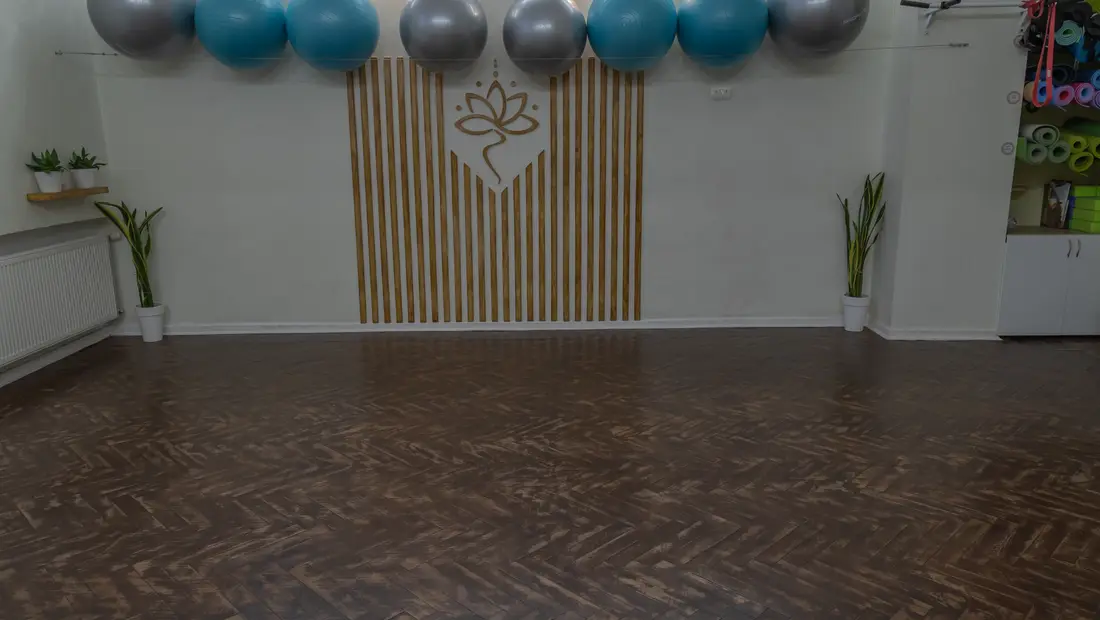
The short answer: a yoga studio fills a weekly timetable of small classes. Run it well with a steady schedule people can plan around, booking with a set number of mats and a waiting list, class packs and memberships that reward coming often, a simple welcome offer for newcomers, and teachers whose classes you can see filling or not. Workshops and courses add income without adding rooms.
Build a timetable people can plan around
Regular students come because their class is at the same time every week:
- Run each class as a weekly series: same day, same time, same teacher. Move or cancel one date for a holiday without touching the rest.
- Set the number of mats as the class capacity, and open a waiting list so a late cancellation fills itself.
- Mix levels and styles across the week, and name each class so a beginner knows where to start.
- Keep a few quiet slots for private sessions and rentals of the room.
Price for the way people practise
Some students come twice a week; some come twice a month. Give both a reason to buy:
- A drop-in price for one class.
- Class packs of five or ten classes, used within a set time.
- A monthly membership for people who come often.
- A welcome offer for a first class or first week, limited to newcomers.
Show what each option includes and how it renews before people pay. Our article on subscriptions and credits explains the trade-offs between packs and memberships.
Set clear booking rules
Small classes make every empty mat count:
- Book and pay ahead, so a mat is held only for someone who has paid or used a class from a pack.
- A cancellation window, for example until a few hours before the start, after which the class is used.
- A waiting list that offers the place to the next person when someone cancels.
Look after your teachers
Teachers are why students come back. Put each teacher on their classes, let them see who is booked, and look together at which classes fill and which do not. Pay rules are easier when attendance is recorded for each class.
Add workshops and courses
Workshops, short courses, retreats and teacher trainings use the same room at different times and attract people beyond your regulars. Run them as one-off activities with their own price and capacity, and announce them to everyone who follows the studio.
Keep the community close
A studio is a community. Message students when a new class starts or a teacher is away, post your workshops and news, and sell mats, props and drinks at the desk on the same system.
How PLAI fits a yoga studio
Yoga, pilates, meditation and other wellness activities are in PLAI's catalogue. With PLAI you run classes as weekly series with a capacity and a waiting list, sell packs (memberships billed monthly, class packs and credit), set newcomer or member prices with privileges, put teachers on classes as coaches, run one-off workshops, message your students, post to your followers, and sell at the till in cash or by card reader. Students book and pay in the PLAI app, on iPhone, Android and the web, in six languages.
There is no subscription, setup fee or contract, and card fees on online payments are about three times lower than Stripe's standard rate in France of 1.5% + €0.25 per standard European card (source: Stripe pricing for France, read 4 November 2026). See plai.live/business, and How much does venue management software cost? to compare with a subscription.
FAQ
How many students per class?
As many mats as the room holds comfortably. Set that number as the class capacity and let the waiting list do the rest.
Class packs or memberships?
Both: packs for students who come now and then, a membership for those who come every week.
How do I welcome beginners?
A welcome price for a first class or week, a clearly named beginners' class, and a message after their first visit.
Should students book in advance?
Yes. Booking ahead with a cancellation window keeps mats for people who come, and the waiting list fills late cancellations.