 Marc Feng · ·
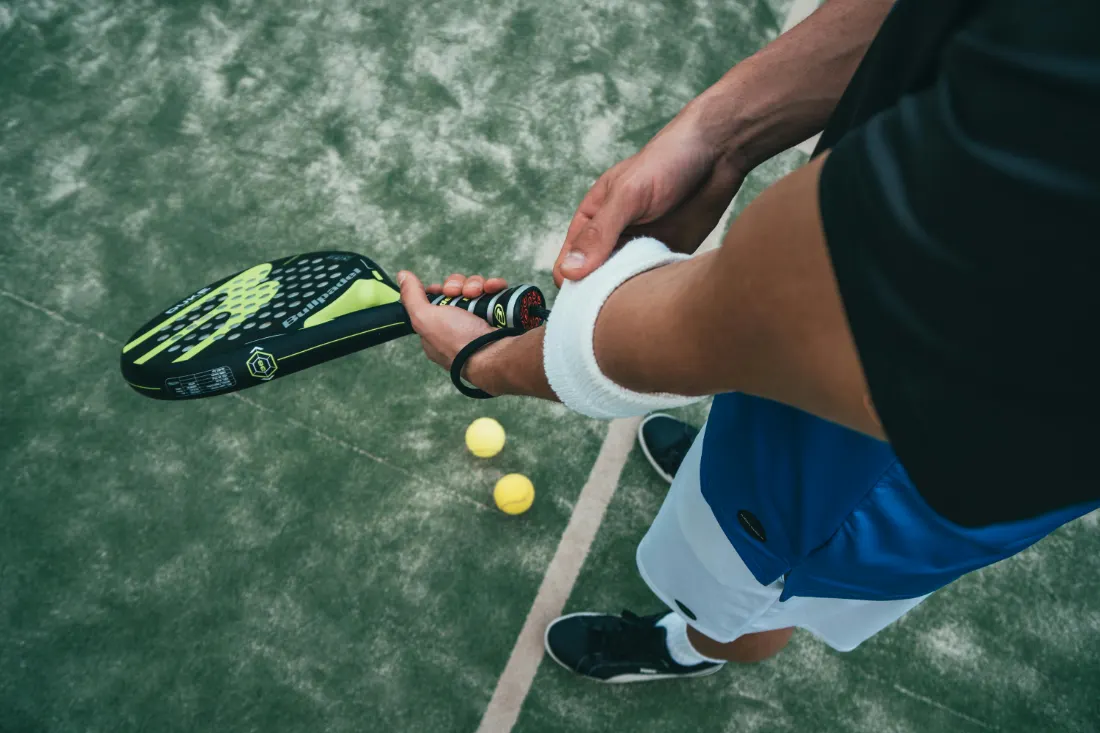
A tennis club should consider padel because it brings in people tennis does not, fits two or three courts on the footprint of one tennis court, and usually earns more per court at peak times. It is a real investment and changes the club's culture, so plan at least two courts, check noise and planning rules early, and bring tennis members along with shared memberships and events. Running both sports in one calendar no longer needs paid software: PLAI is 100% free to run your venue.
Sooner or later, someone at the committee meeting asks: should we build padel courts? Some members already play padel elsewhere, younger families join the padel club across town, and one tennis court sits half empty most evenings. This guide is the decision memo a committee would want.
The case for padel
It brings in people tennis does not. Within an hour, beginners play real points thanks to the underhand serve, the smaller court and the walls that keep the ball in play. It attracts adults new to racket sports, parents who want a sport with friends, and former tennis players whose knees no longer enjoy singles. (New to the sport? Read what padel is.)
It is social by design. Almost always doubles: four people per court means more people at the club and at the bar.
It uses space efficiently. A padel court is 20 × 10 m. The footprint of one tennis court with its run-off can host two or three padel courts, each carrying four players. Details in our padel court dimensions guide.
It earns more per square metre. Padel courts are booked at higher hourly prices and fill well in the evenings, which helps clubs whose tennis membership has stalled.
Tennis federations have embraced it. In several countries, padel is organised by the national tennis federation, with competitions and coaching qualifications open to tennis clubs.
The objections you will hear, and the answers
"We will lose a tennis court." Look at each court's occupancy over a year. Many clubs find one court is rarely full. Others build on unused land.
"Padel is noisy." The ball against glass is louder than tennis. Choose the location carefully, check local noise rules and talk to neighbours early. Indoor courts or acoustic panels may be needed in residential areas.
"It's not real tennis." It does not have to be. Present padel as a second sport whose revenue also pays for tennis: resurfacing, lights, junior programmes.
"Who will run it?" Padel needs coaching, open games and events, not just courts. Name a lead before you build.
The practical questions
How many courts?
One court rarely builds a community: players and members cannot find a slot at peak times and you cannot run tournaments. Two courts are the realistic minimum; three or more allow leagues and events. Keep room to add courts later.
Indoors or outdoors?
Outdoor courts cost less but depend on weather. A cover or canopy makes padel a year-round business. If budget is tight, start outdoors and plan the cover as a second phase.
Permits, budget and financing
Check planning, lighting and noise rules with your local authority before ordering. Budget for the courts, groundwork, lighting, any cover and rental equipment. Financing can mix reserves, a loan, sponsors (court naming works well, see how to find sponsors) and public grants for sports facilities where they exist.
Getting expert advice
Speak to court builders and visit two or three clubs that added padel a few years ago. Ask what they would do differently.
Bringing tennis members along
The worst outcome is two clubs on one site that ignore each other:
- Free introduction sessions for tennis members in the first month, led by a coach.
- A mixed event each term where teams play both sports.
- Coaches who teach both, after a padel coaching qualification.
- One membership covering both sports, with a padel-only option.
One club, two sports, one set of rules
Keep the experience unified:
- one app where members book tennis and padel courts;
- clear prices per sport and time band, with member benefits on both;
- open games, which matter even more in padel because players need three partners;
- shared events, bar and communication.
A combined range could be tennis-only, padel-only and an "all courts" option at a premium, all with member prices.
What about pickleball?
Pickleball can be played on existing tennis courts with temporary lines and nets, so it costs little to test. Where padel is established, padel usually brings more revenue per court. Try pickleball with a few sessions and decide with numbers. Our padel vs pickleball comparison sets out the differences.
Measuring success
After a year, look at members who joined for padel, padel occupancy at peak and off-peak, tennis members who also play padel, revenue per court for each sport, and the effect on the bar and events.
Run tennis and padel together on PLAI
Pay nothing. Get everything. PLAI is 100% free to run your venue: no subscription, no contract, no limits. Two sports stay one club:
- tennis and padel courts as spaces in one calendar, each with its sports, hours and prices;
- memberships, packs and credit that work across both, and member prices through privileges;
- open games that players and members join alone, each paying their own share;
- tournaments for either sport;
- one free app for members, with group chats and your posts;
- analytics you can filter by sport, so the next decision is easier than the first.
See what venues get on PLAI Business.
FAQ
Is adding padel worth it for a tennis club?
Often, yes: it attracts new members, fits several courts on one tennis footprint and earns well per court. Check demand, space, noise rules and who will run it first.
How many padel courts fit on a tennis court?
Usually two or three on the footprint of one tennis court with its run-off.
How many padel courts should we start with?
Two at least. One court cannot build a community or host events.
Will padel take members away from tennis?
Not if you run them as one club: shared memberships, mixed events and coaches who teach both.
Can one system run tennis and padel?
Yes. PLAI runs several sports in one venue, free: one calendar, prices per sport, one app for members.
Related reading: Optimizing tennis club management.