 Alessandro Romano · ·
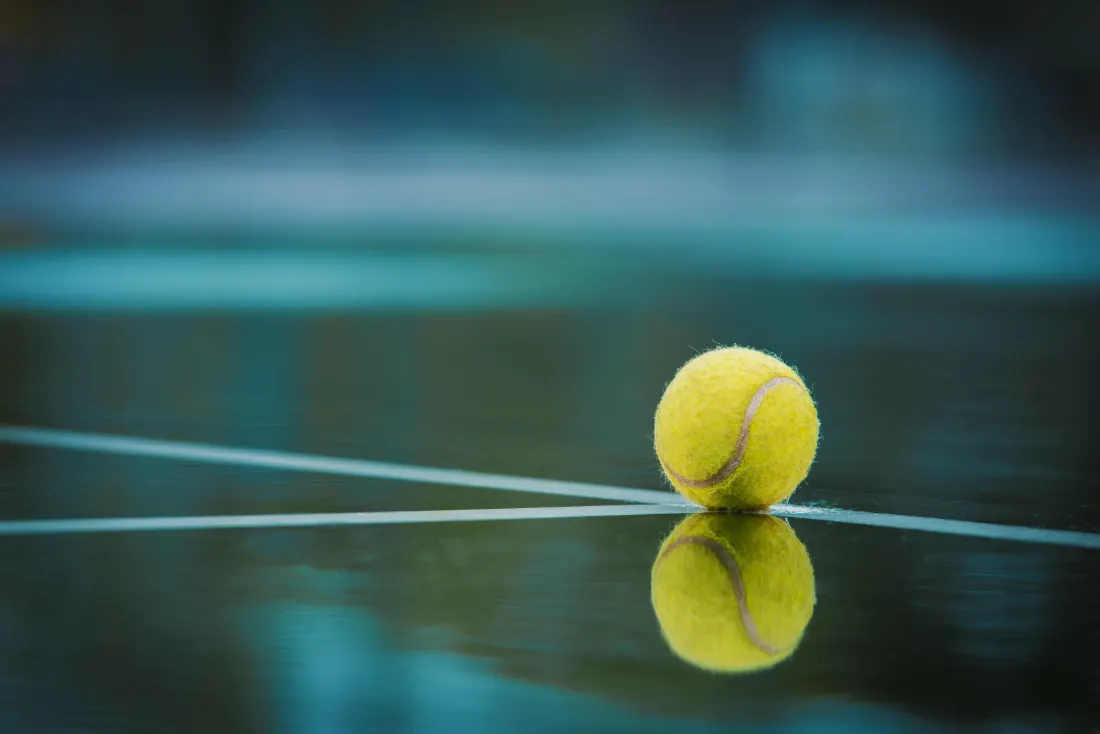
A padel ball is slightly smaller than a tennis ball, weighs the same and bounces a little lower, because it carries less internal pressure. That lower, more controllable bounce suits a walled court. You can hit tennis balls on a padel court, but for a real game you should play with padel balls: tennis balls come off the glass too fast and too high.
Put the two side by side and most people cannot tell them apart: same yellow felt, same seam, roughly the same size. Here is what separates them, and what it means on court and at the club desk.
The specifications side by side
Tennis balls follow the rules of the International Tennis Federation (ITF). Padel balls follow those of the International Padel Federation (FIP). The figures below are for the standard balls used in adult play.
| Specification | Tennis ball | Padel ball |
|---|---|---|
| Diameter | 6.54 to 6.86 cm | 6.35 to 6.77 cm |
| Weight | 56.0 to 59.4 g | 56.0 to 59.4 g |
| Rebound when dropped from 254 cm | 135 to 147 cm | 135 to 145 cm |
| Colour | Yellow or white | Yellow or white |
| Construction | Pressurised rubber core, felt cover | Pressurised rubber core, felt cover |
Two things stand out. The weight window is the same, so the padel ball is slightly denser for its size. And its allowed rebound tops out a little lower. Manufacturers reach that lower bounce mainly by building padel balls with somewhat less internal pressure than tennis balls.
The ITF also approves faster and slower tennis balls for different surfaces, and the red, orange and green low-compression balls children learn with. Padel has fewer variants, though some brands make balls with adjusted pressure for clubs at high altitude, where thinner air makes standard balls fly faster.
Why a walled court needs a different ball
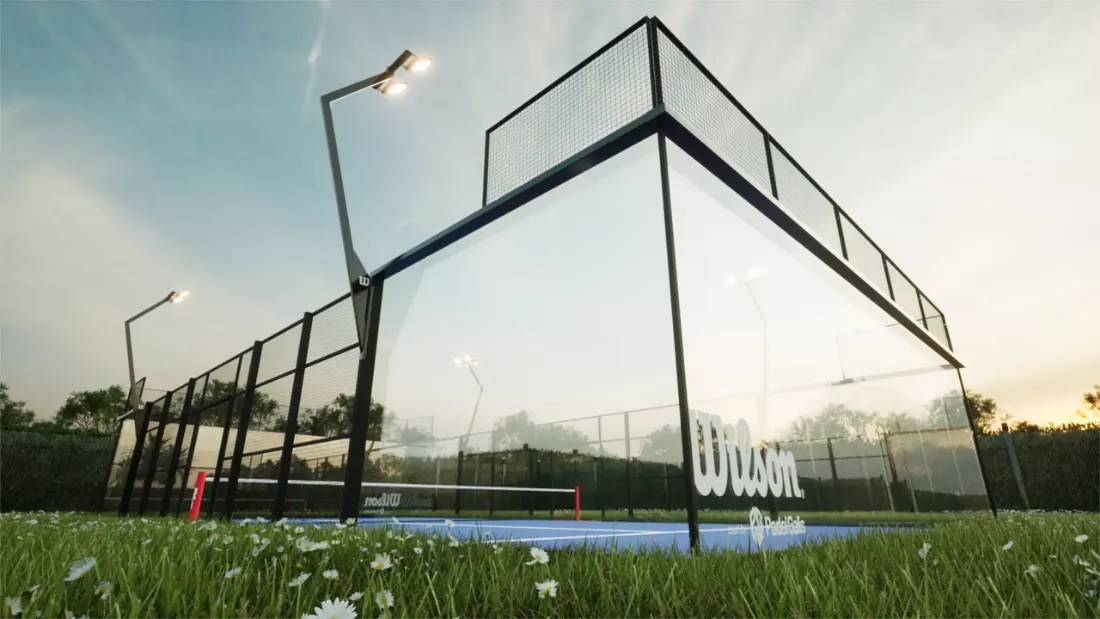
Padel is played on a 20 × 10 m court enclosed by glass and mesh (see our padel court dimensions guide). The ball stays in play after it bounces and strikes a wall, so points are built from rebounds, angles and patience rather than raw speed. A slightly smaller, softer ball serves that game:
- It stays in the court. A livelier tennis ball comes off the back glass faster and higher, often too high to play or straight out over the walls.
- It rewards control. The lower bounce gives players time to read the rebound and choose a shot, which is why padel rallies run long even between beginners.
- It suits a solid racket. Padel rackets have no strings; the ball comes off a foam and composite face. A ball tuned for strings behaves differently off that surface.
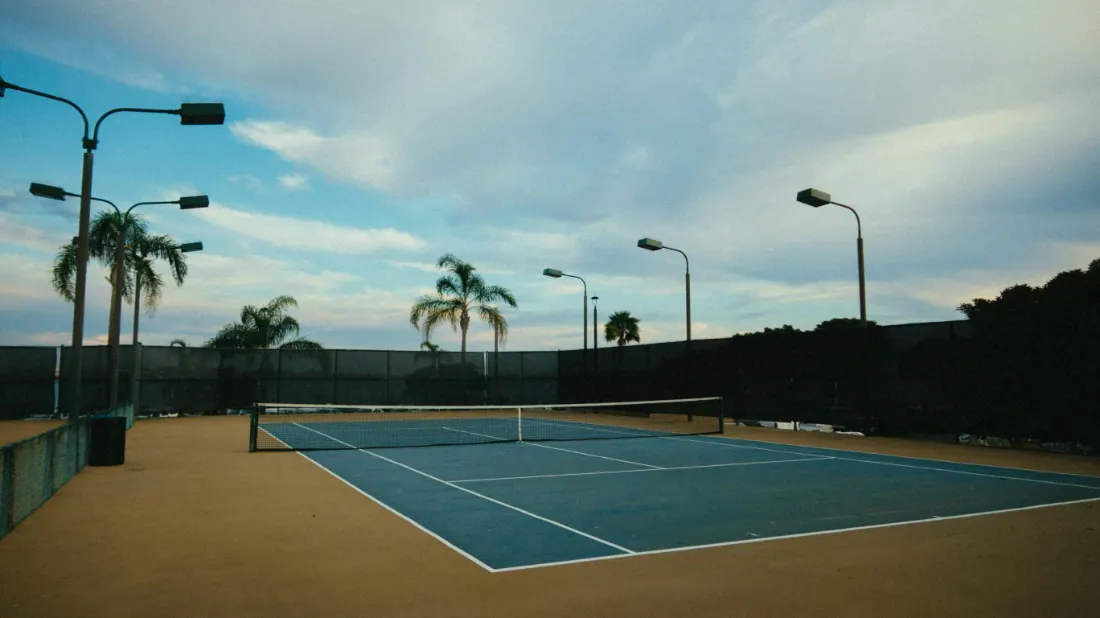
Tennis is played on an open court with much more length, where a ball that keeps its speed and bounces higher fits powerful serves and deep groundstrokes.
What happens if you swap them
Tennis balls in padel. The ball feels jumpy off the glass, lobs fly long and smashes bounce out of the court more easily. Fine for a casual hit; for a match, the rhythm is off.
Padel balls in tennis. The ball feels slightly heavy and dead on a large court, especially on clay. Fine for a warm-up, tiring over a full set.
How long a ball lasts
Both types start losing pressure as soon as the tube is opened, and padel balls also wear their felt quickly against glass, mesh and sand-filled artificial grass. As a rule of thumb:
- recreational players can use a padel tube for a few sessions before the balls feel flat;
- competitive players and coaches often open new balls for every match or session;
- a ball that no longer bounces to around waist height when dropped from head height belongs in the practice basket.
Pressure keepers, small containers that hold balls under pressure between sessions, can extend the life of an opened tube.
Advice for venues
Balls are a small item, but they shape the players' experience and add up in revenue:
- Sell balls at the desk and the bar, recorded on the same system as your bookings.
- Offer balls as a booking extra, so a player can add a new tube when booking a court.
- Keep coaching balls separate from match balls and refresh them regularly. Soft balls make clinics feel sluggish.
- Use competition-approved balls for your tournaments, and name the ball in the tournament information.
- Store stock somewhere cool, away from direct sunlight and heat.
Sell the right balls with PLAI
Pay nothing. Get everything. PLAI is 100% free to run your venue: no subscription, no contract, no limits. Its till sells balls, drinks and rentals at the front desk, players and members can add extras when they book a court and pay their share in the app, and your tournaments run in the same app as your courts. See what venues get on PLAI Business.
FAQ
Are padel and tennis balls the same size?
Almost. A padel ball's allowed diameter (6.35 to 6.77 cm) is slightly smaller than a tennis ball's (6.54 to 6.86 cm).
Are they the same weight?
Yes. Both must weigh between 56.0 and 59.4 g.
Which bounces higher?
The tennis ball. Its maximum allowed rebound is higher, and padel balls generally carry less internal pressure.
Can I use a tennis ball for padel?
For a casual hit, yes. For a proper game, use padel balls.
How often should I change padel balls?
Every few sessions for casual play, every match for competitive play, or as soon as they stop bouncing to waist height from head height.
Related reading: What is padel? History, origins and tips · Padel vs pickleball.